
UX/UI design, App design · 2025 · Partners in Health · Healthacre/Non-profit
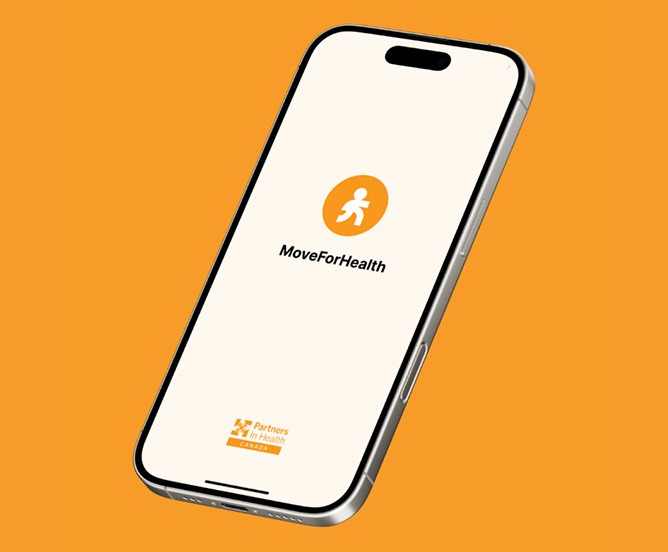
A fitness donation app designed to seamlessly integrate personal wellness with impactful giving. The app turns completed fitness goals into micro-donations, motivating users to support Partners in Health Canada through everyday actions.
Move For Health
Problem
Partners in Health Canada (PIH) depends on large donations from a small group of high-value donors, making it challenging to attract smaller, recurring donors. Many potential supporters especially younger generations are unaware of PIH's mission or feel disconnected from the impact of their contributions.
Solution
We designed a fitness app that connects daily achievements to micro-donations. When users hit a fitness goal, the app automatically donates to PIH. This makes giving part of everyday actions and motivates long-term, recurring engagement.
My Role
Position:
Research lead
Duration:
4 months
Responsibilities:
User research & testing, personas, design mockup assets, creating wireframes.
Research highlights
Research insights:
People are more likely to donate when:
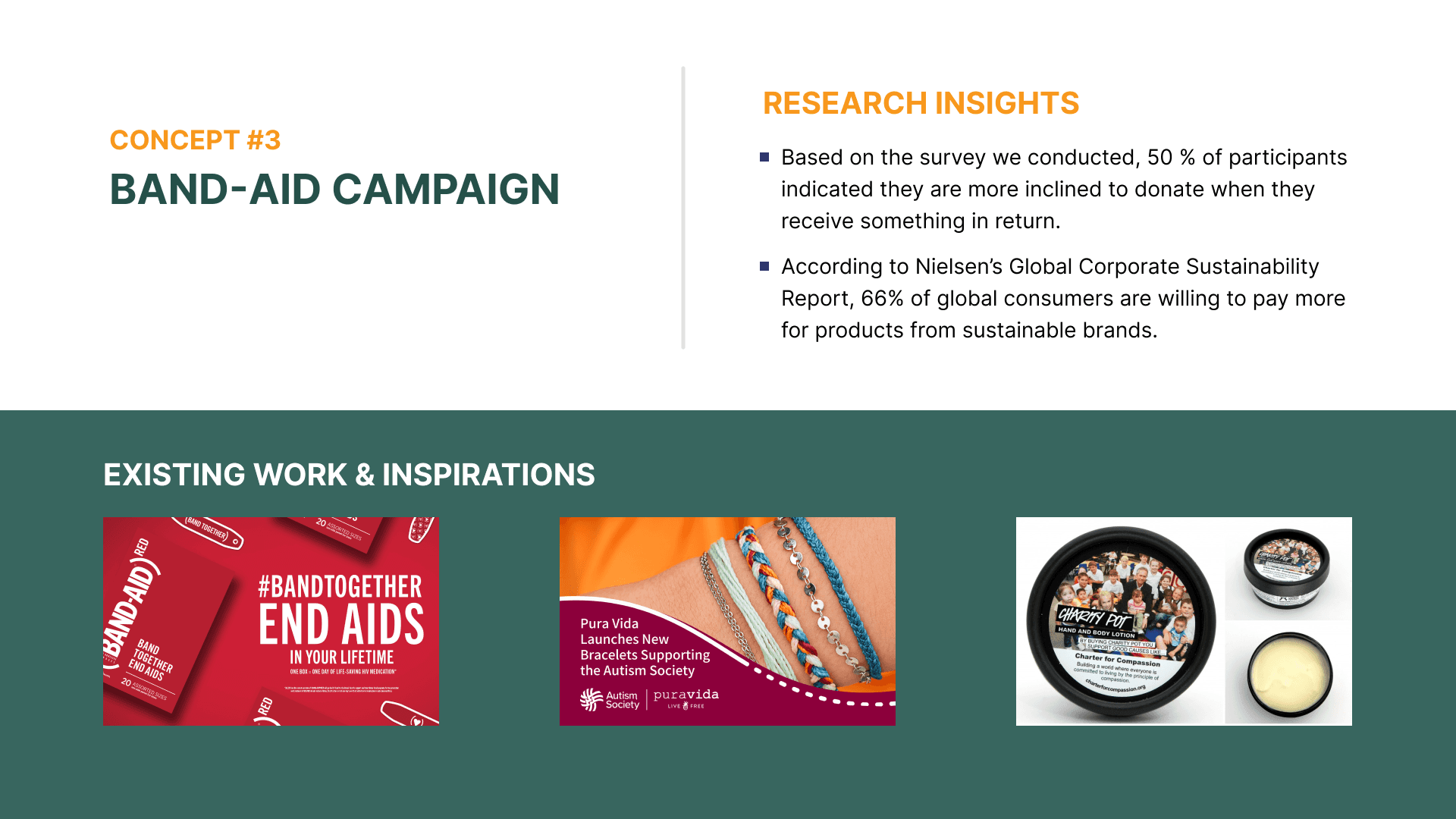
They receive something in return (e.g., a product or experience).
There is digital engagement; such as gamification or social media advertising.
With easy QR code interactions.
Integrated into their lifestyle.
The project began with extensive research into the client, industry, and target audience. Primary research was conducted with 30 respondents and 6 follow-up interviews as well as secondary research on donation trends, cause-related marketing, and behavioural patterns.
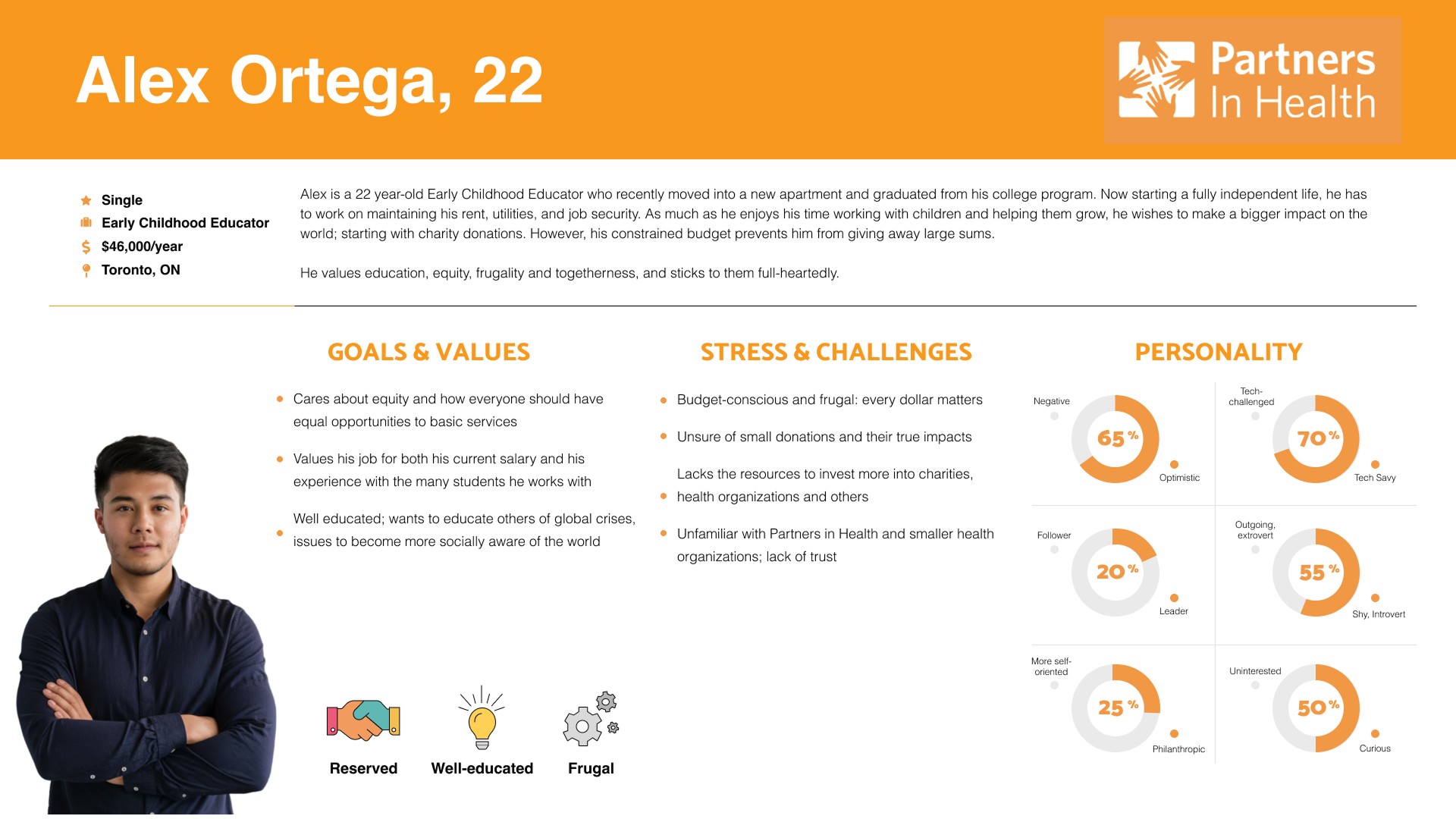
We identified socially conscious young adults (18–35) as our primary audience. While they care about global health, many are unaware of PIH Canada or believe small donations don't create meaningful impact. Our persona research showed they want simple, low-commitment ways to support causes that align with their values.
From this, we developed Alex as our primary persona—a young, budget-conscious donor who cares about social issues but needs a donation model that feels effortless and impactful. He represents the core challenges and motivations of our audience: purpose-driven habits, limited financial flexibility, and a desire for transparency and real results.
Brainstorming
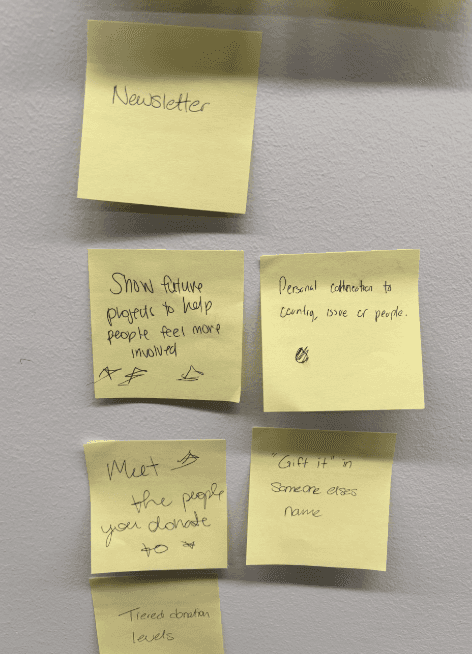
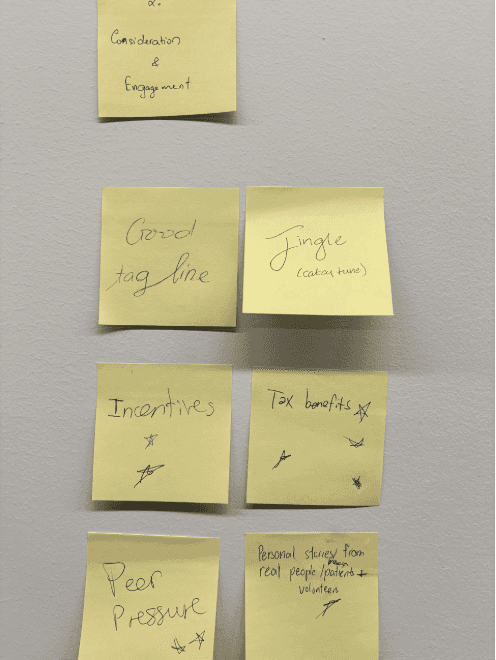
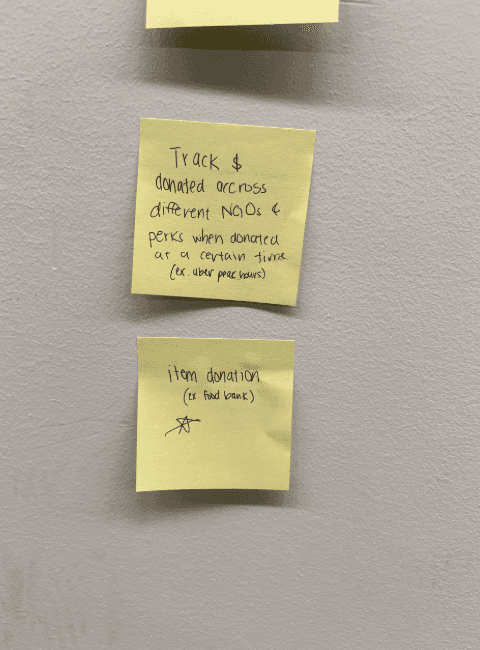
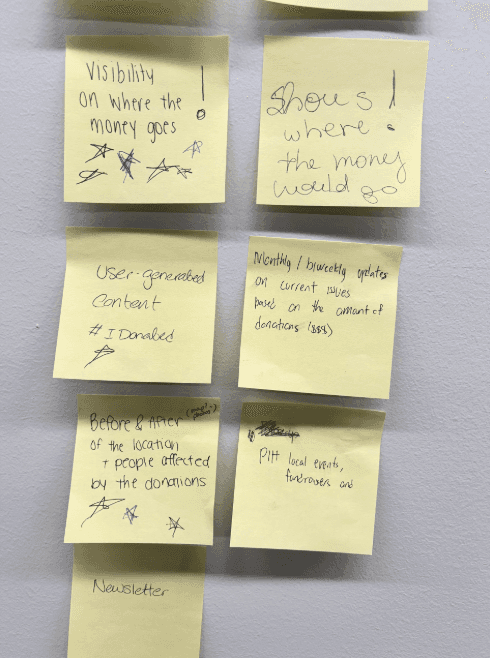
We began our ideation phase with a collaborative sticky-note brainwriting session. Each team member contributed challenges, insights, and potential ideas to address the problem. We collected concepts, grouped common themes, and evaluated opportunities that could increase donor engagement. This exercise helped us explore multiple directions before narrowing down to our strongest concepts.
Conceptualization
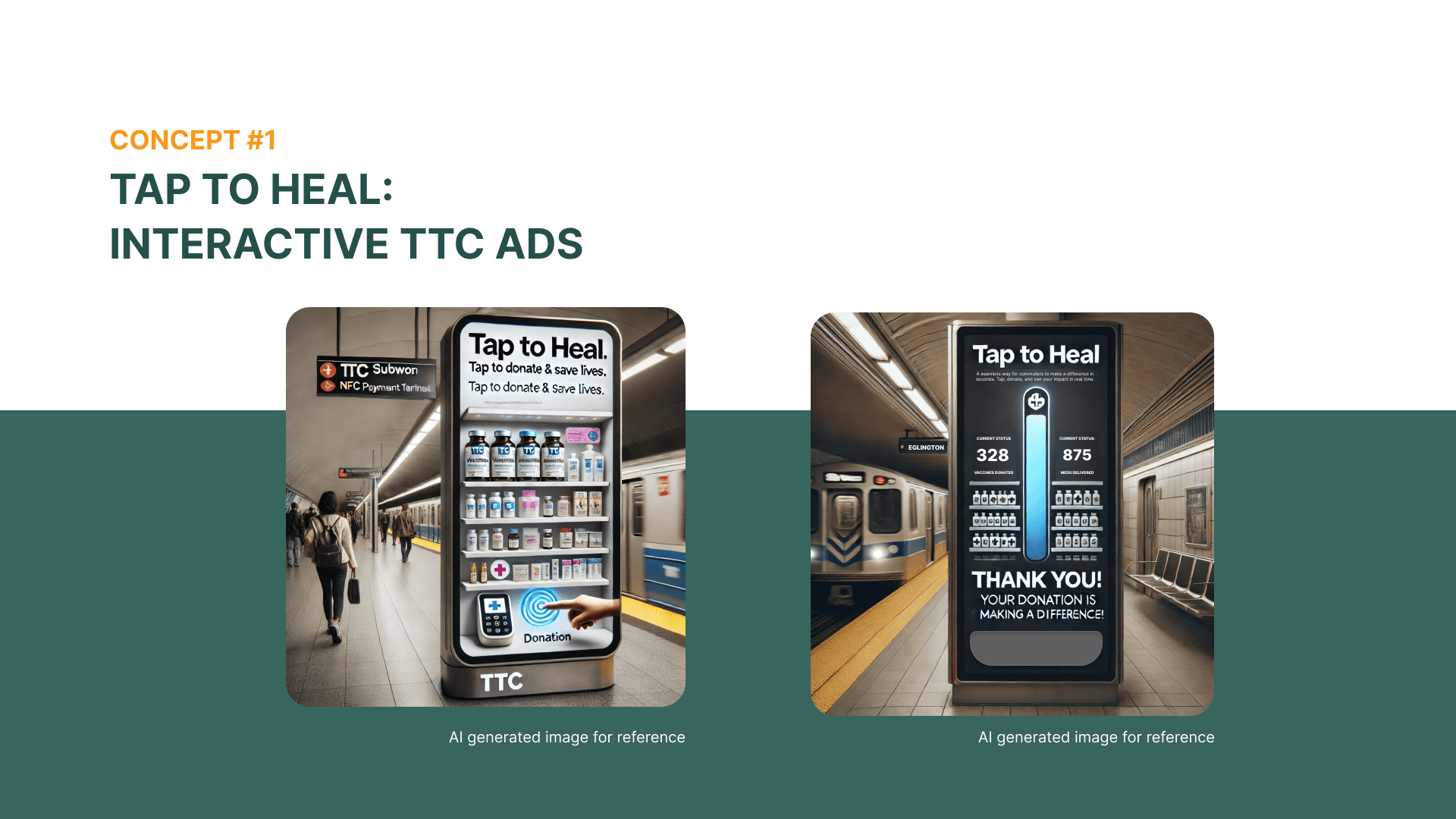
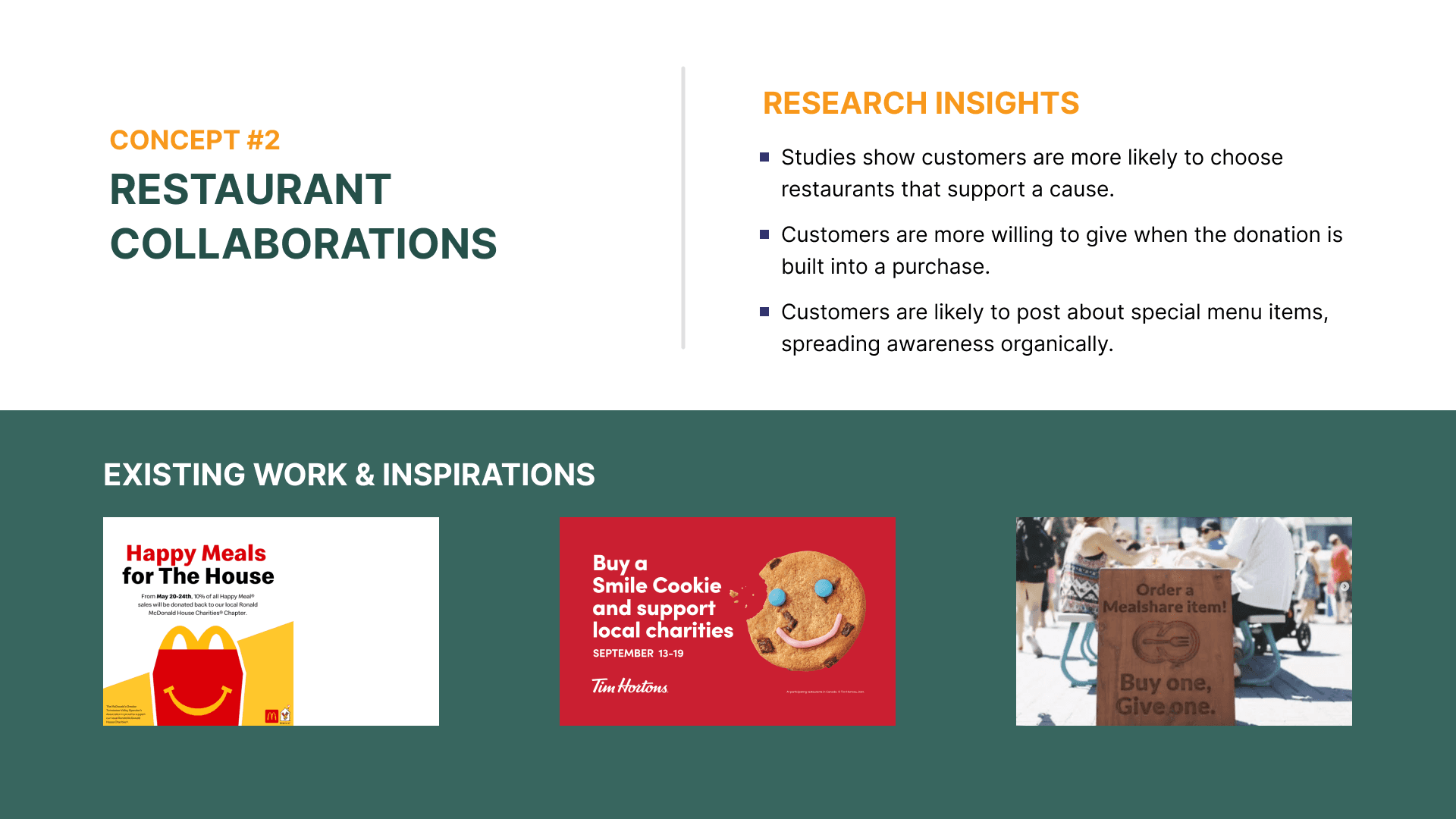
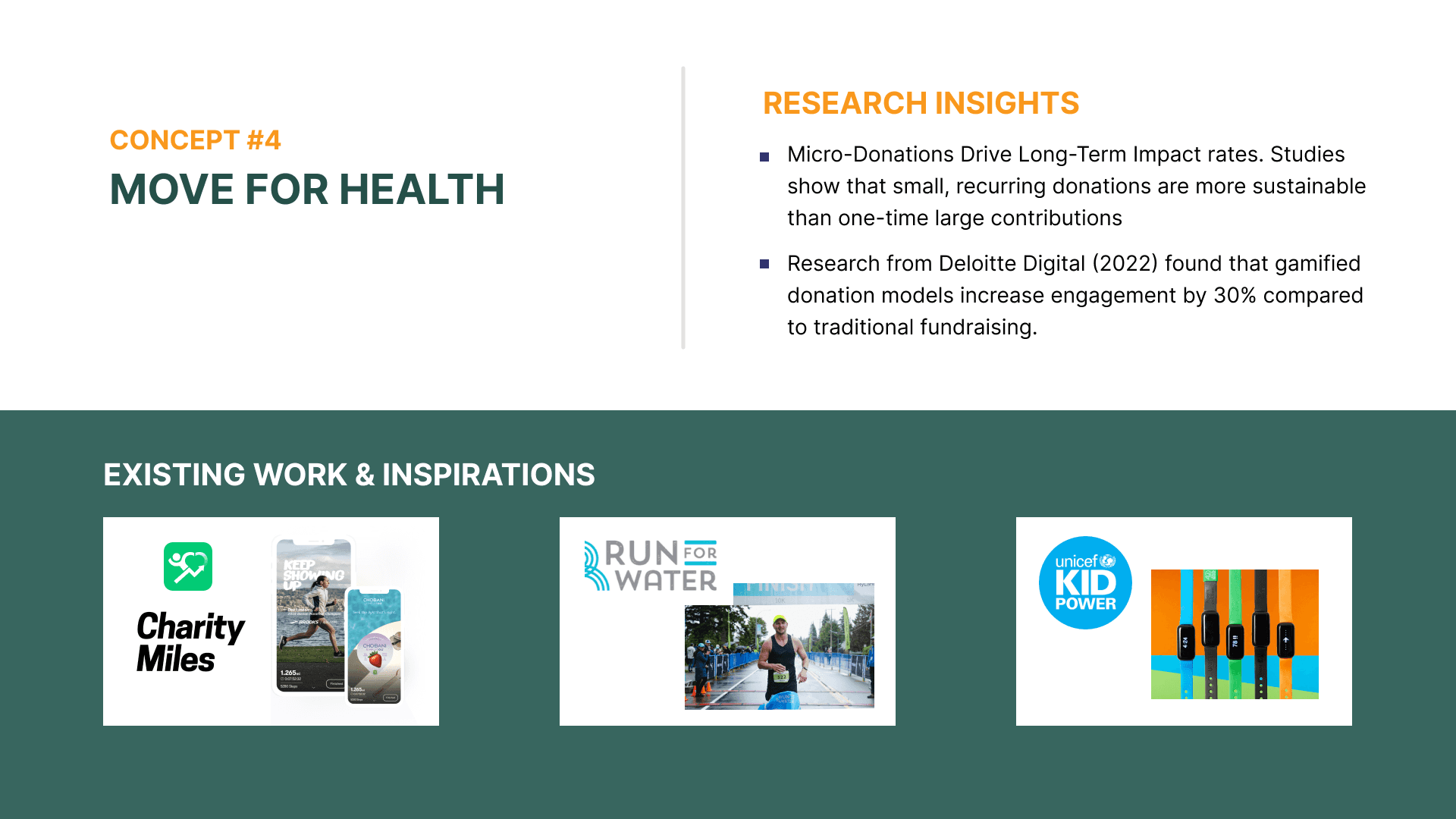
After brainstorming, we developed several concept directions based on user insights and reference research. We explored different campaign formats and inspiration models, then evaluated each idea for feasibility and impact. This process helped us refine our approach and choose the strongest direction—Move for Health.
User flows
[User Flow Image 1]
Drop your user flow diagram here
[User Flow Image 2]
Drop your user flow diagram here
[User Flow Image 3]
Drop your user flow diagram here
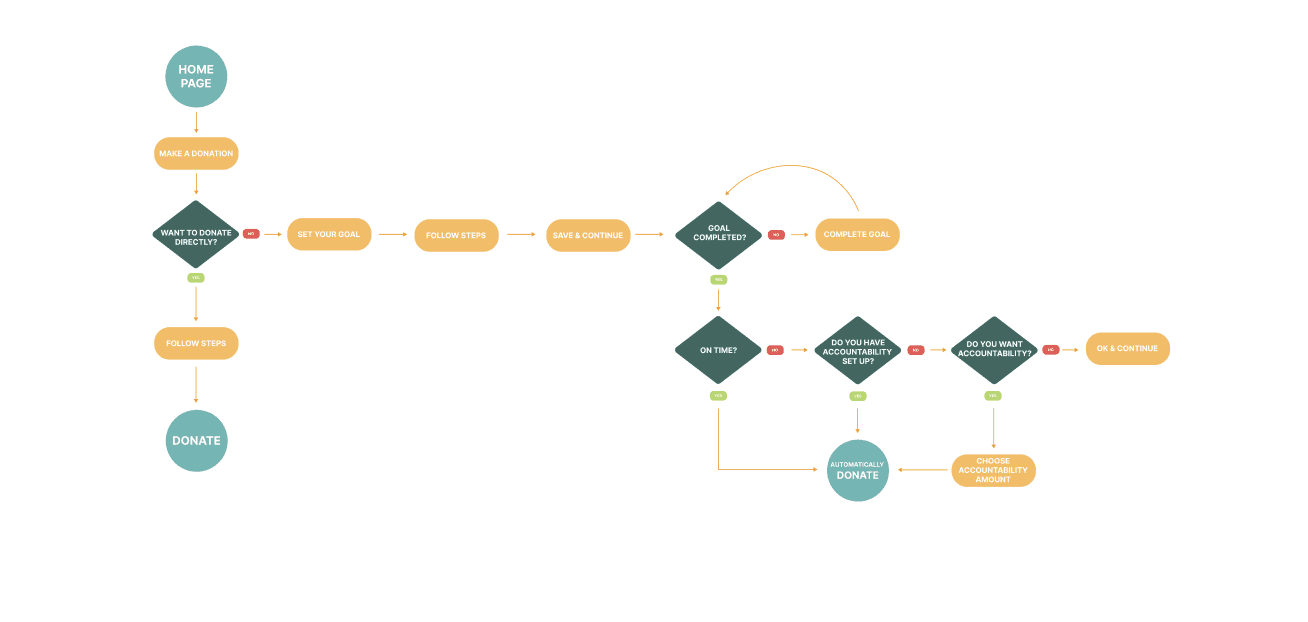
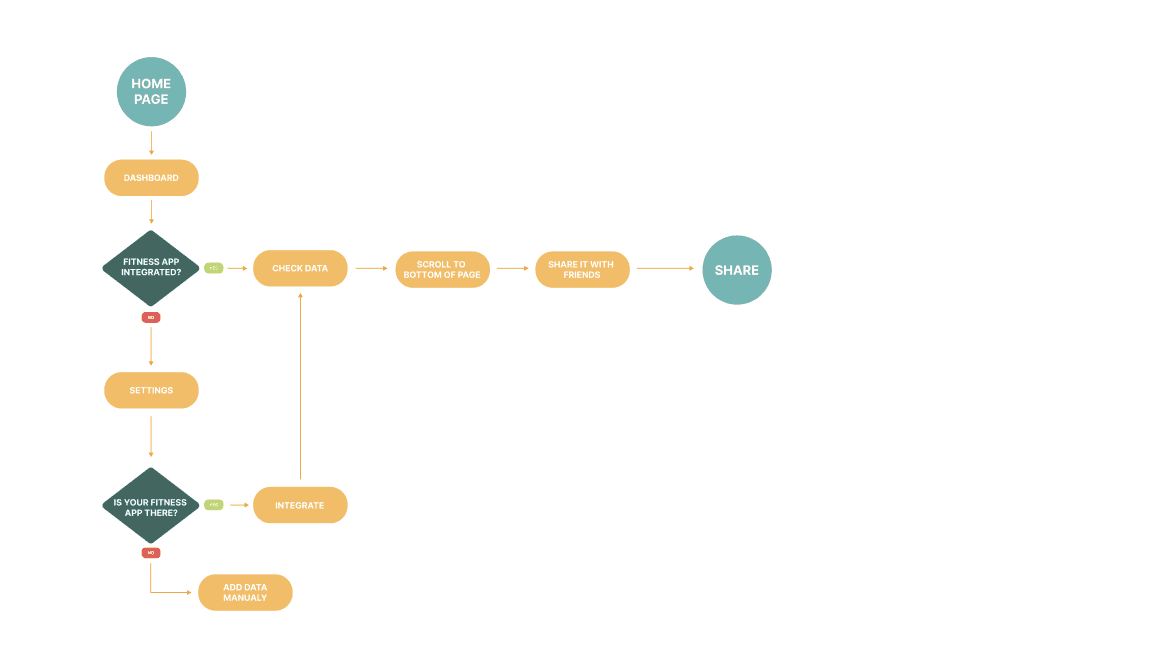
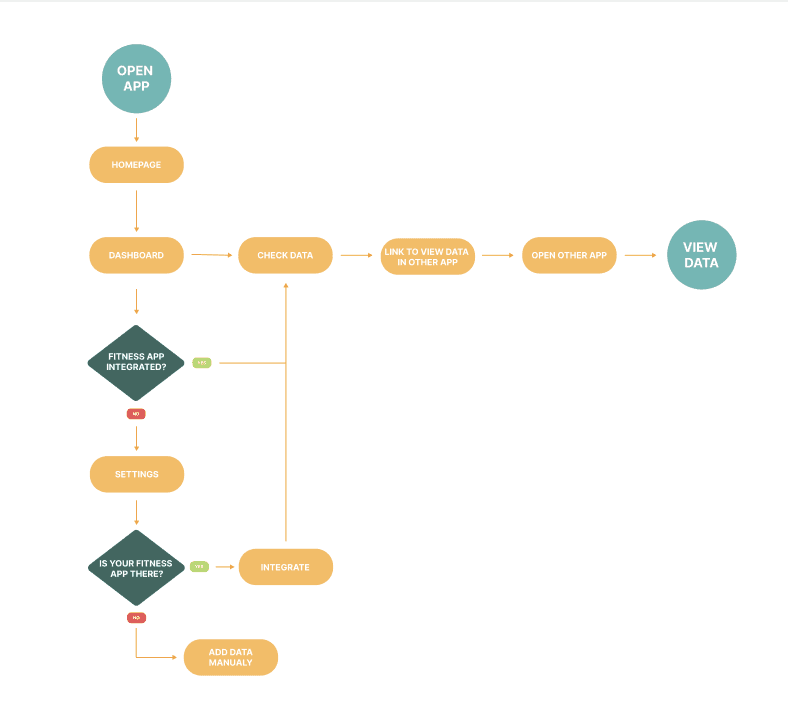
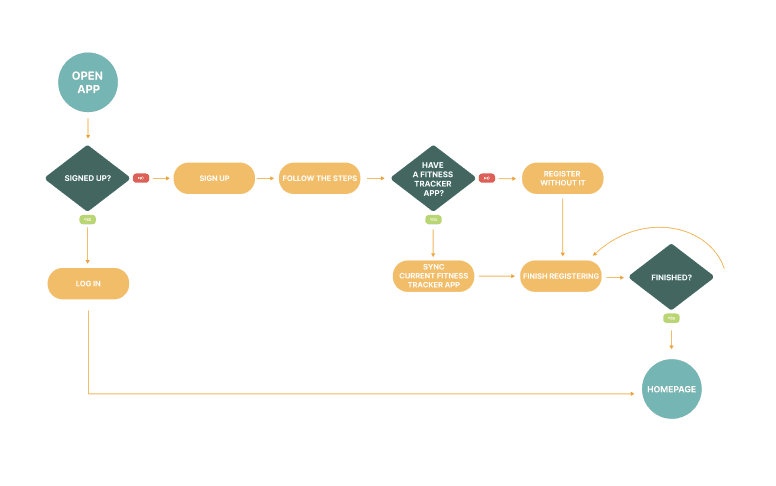
We mapped the key user journeys to understand how someone would interact with the product from start to finish. The flows highlight the steps for creating an account, setting goals, and completing donations. This helped us validate the core functionality and ensure a seamless experience before moving into wireframes and prototyping.
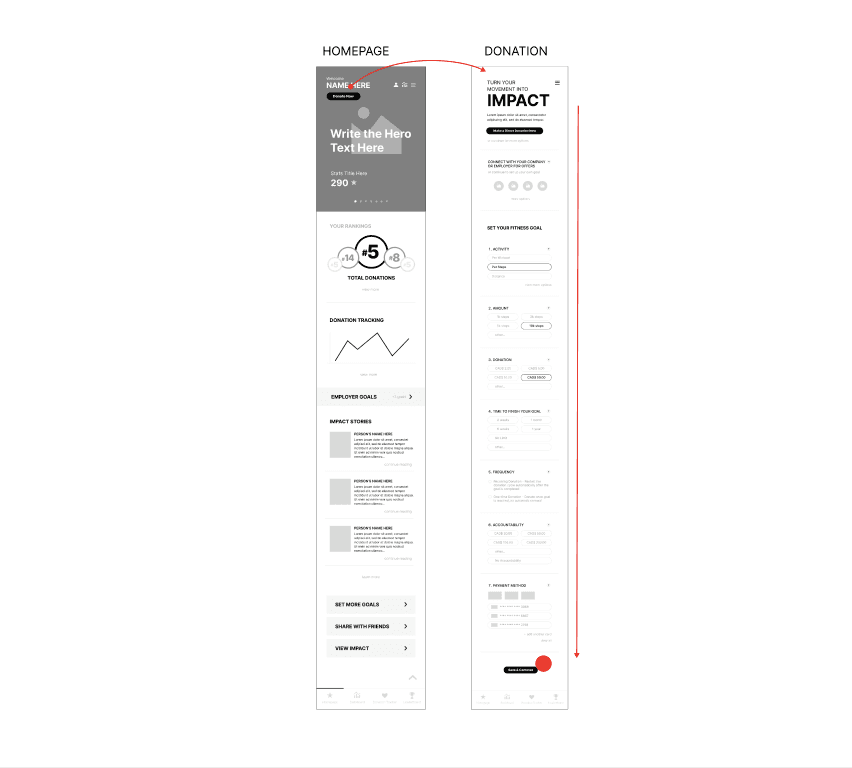
Wireflows
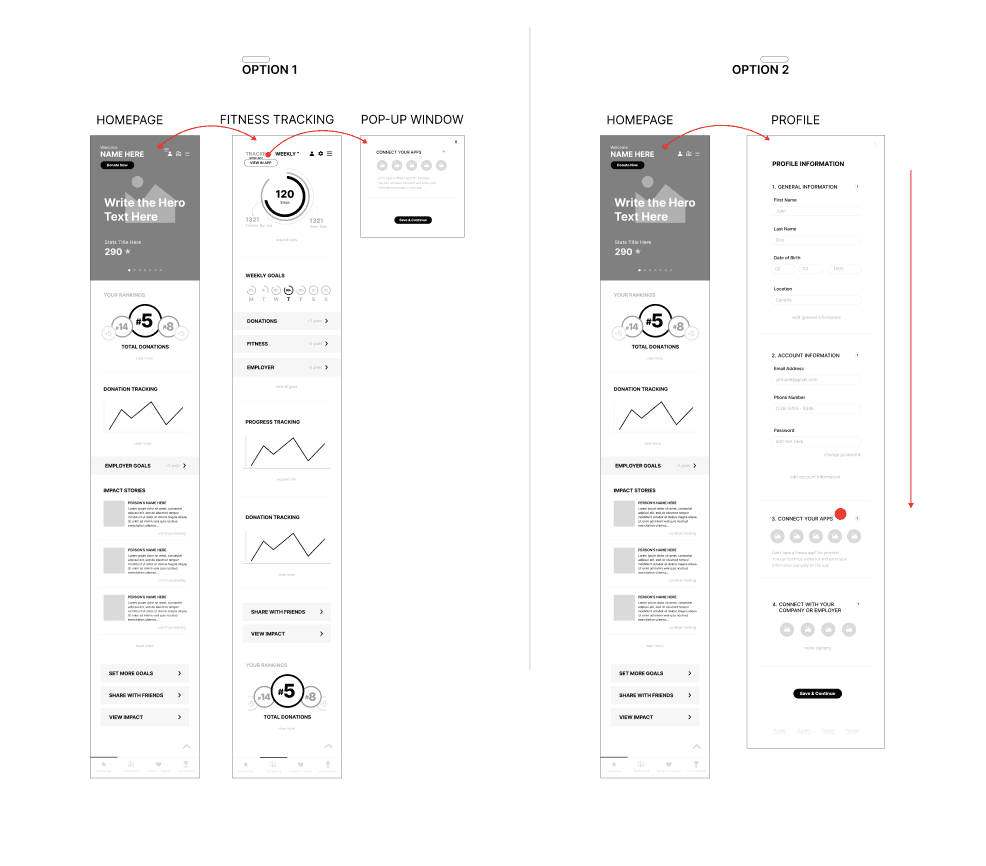
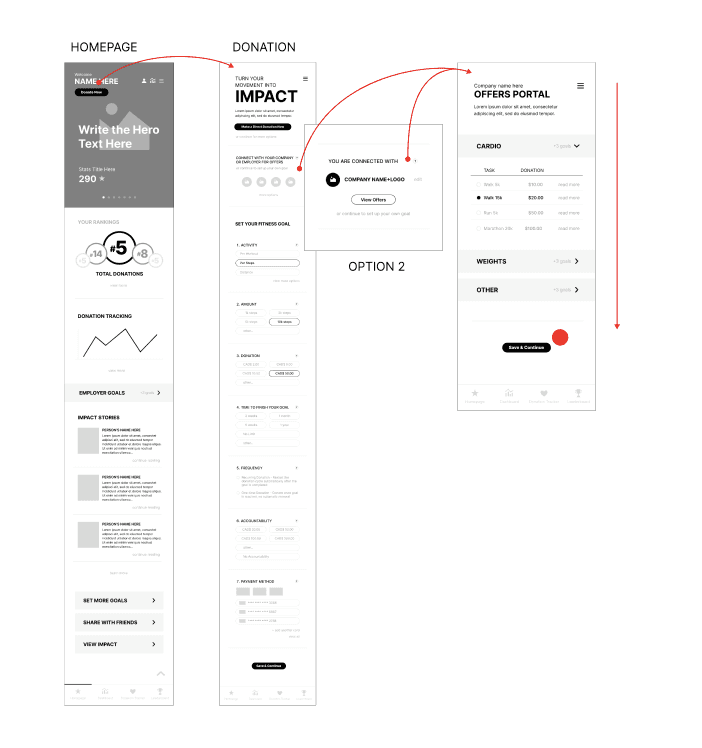
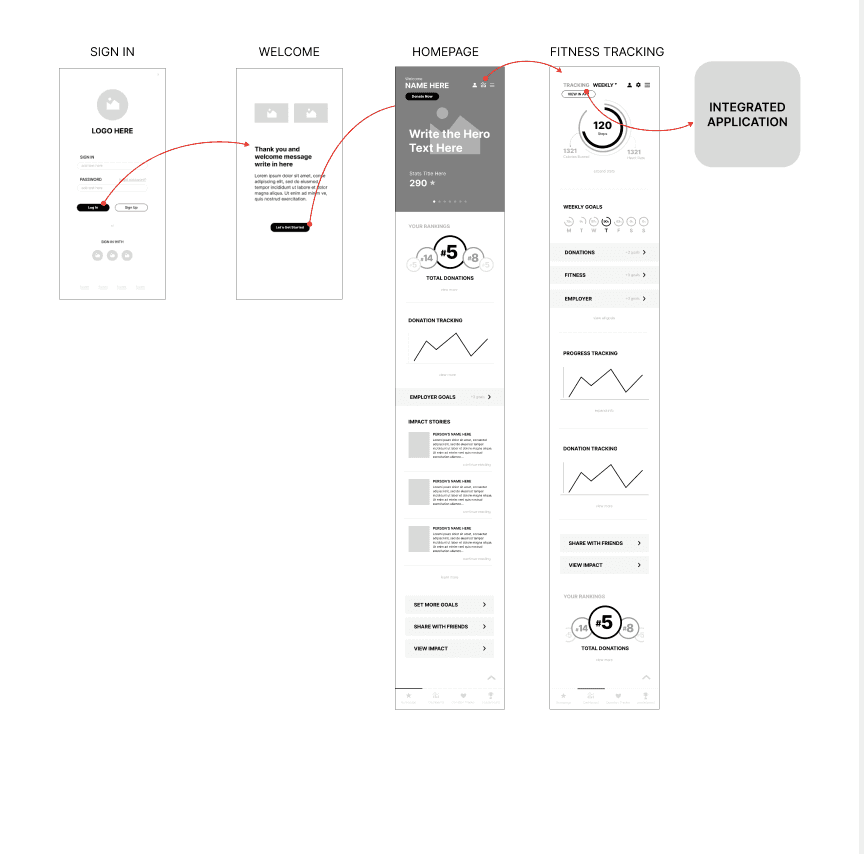
Using our user flows as a foundation, we developed low-fidelity wireframes to define the core structure and functionality of the app. This phase allowed us to visualize the key screens, navigation patterns, and donation flow in a simple and flexible format. We explored multiple layout variations, adjusted content hierarchy, and tested how users would move through the experience. Through iteration and feedback, we refined the wireframes into a clear roadmap for the high-fidelity design stage.
User testing
[User Testing Image 1]

Drop your testing photo or diagram here
[User Testing Image 2]

Drop your testing photo or diagram here
[User Testing Image 3]

Drop your testing photo or diagram here
Using our user flows as a foundation, we developed low-fidelity wireframes to define the core structure and functionality of the app. This phase allowed us to visualize the key screens, navigation patterns, and donation flow in a simple and flexible format. We explored multiple layout variations, adjusted content hierarchy, and tested how users would move through the experience. Through iteration and feedback, we refined the wireframes into a clear roadmap for the high-fidelity design stage.
Impact & results
Main Pages
Physical prototype and mockups
+75%
Felt motivated to set a goal
+82%
Felt the app interface was clean & easy to use
+70%
Found it easy to sync their fitness tracker
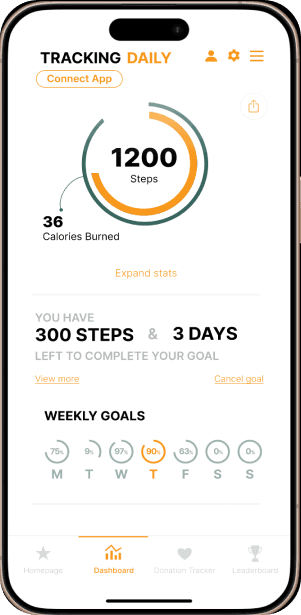
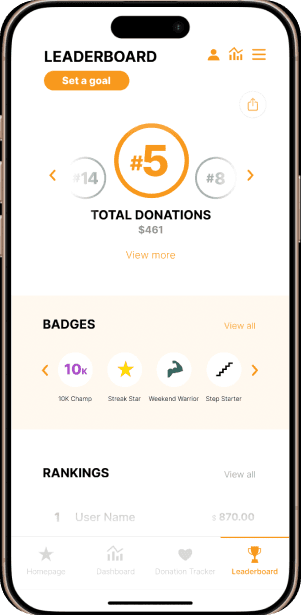
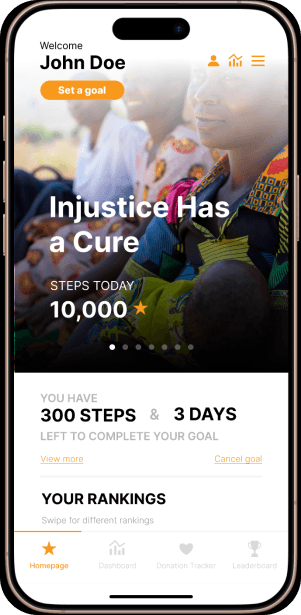
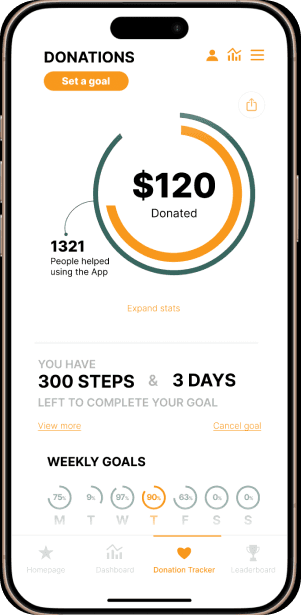
Move for Health showed strong potential to increase recurring donations for PIH Canada. By linking everyday activity to automatic micro-donations, we were able to demonstrate a sustainable model for donor retention and engagement.
With our revenue projections, even a modest adoption rate generates meaningful impact:
Scenario 1: If 10,000 users participate, the app could generate up to $15M annually.
Scenario 2: With partnerships and organic growth, 30,000 users could generate $45M annually.
These results validate the concept as a scalable and financially viable solution for attracting younger donors and turning small contributions into long-term community support.
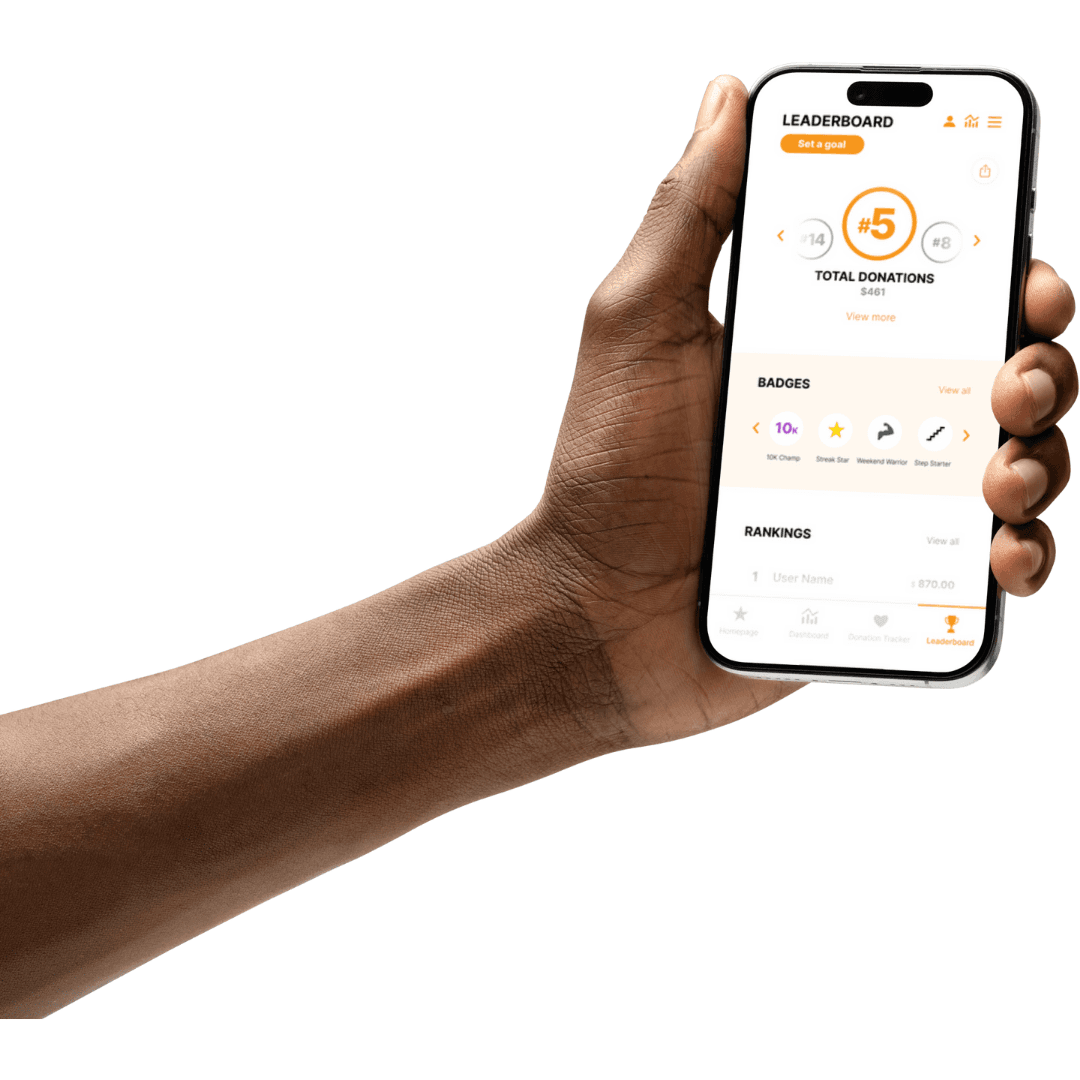
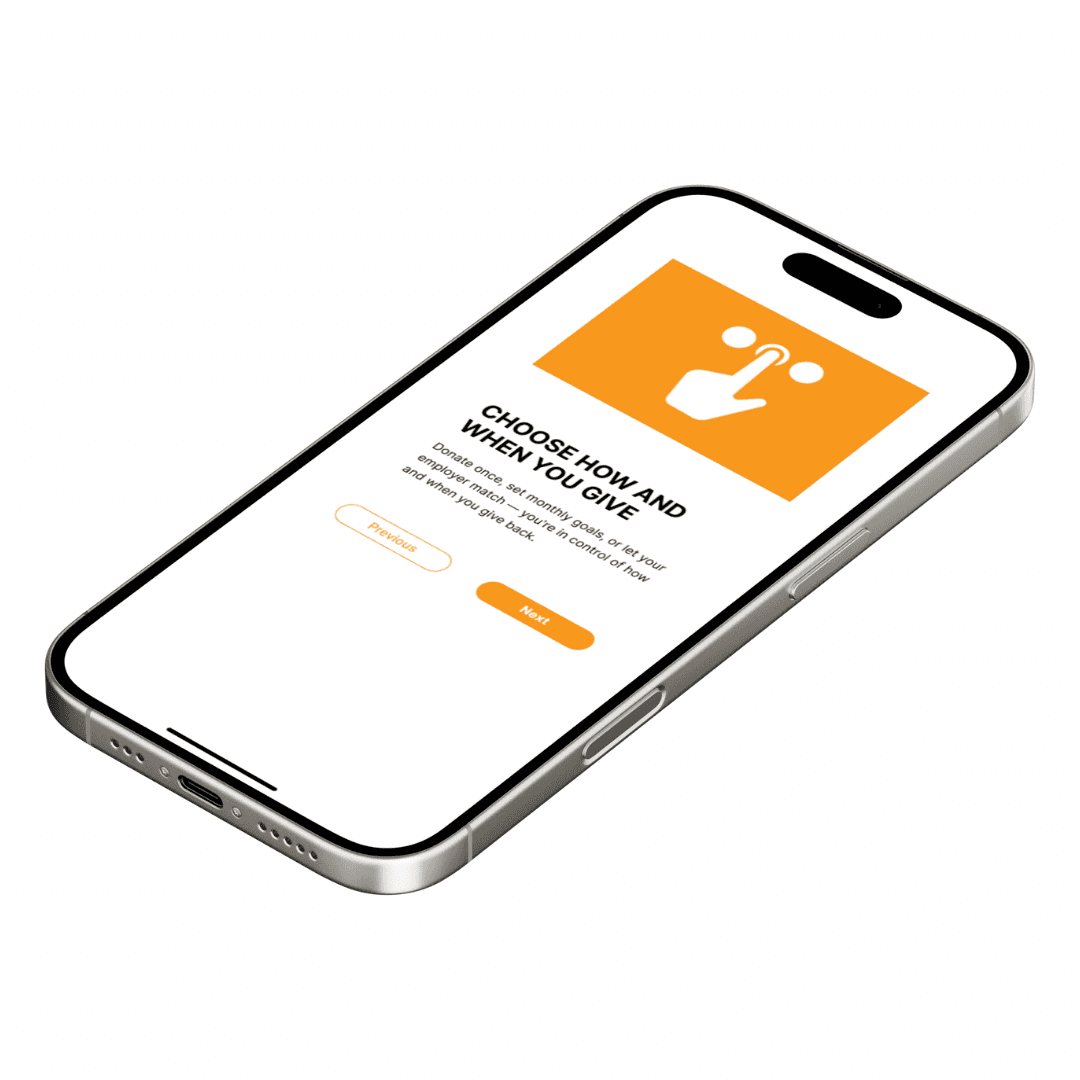
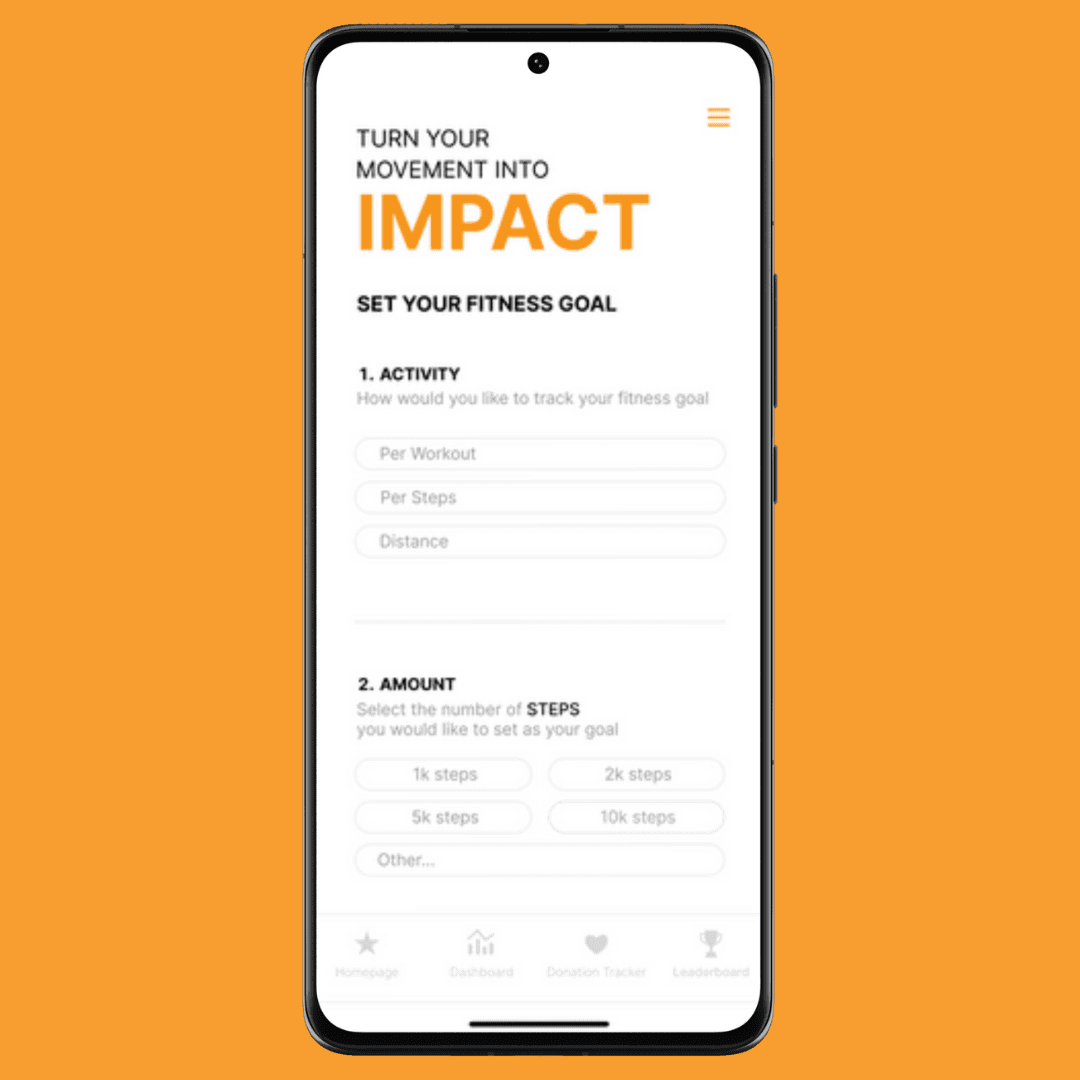
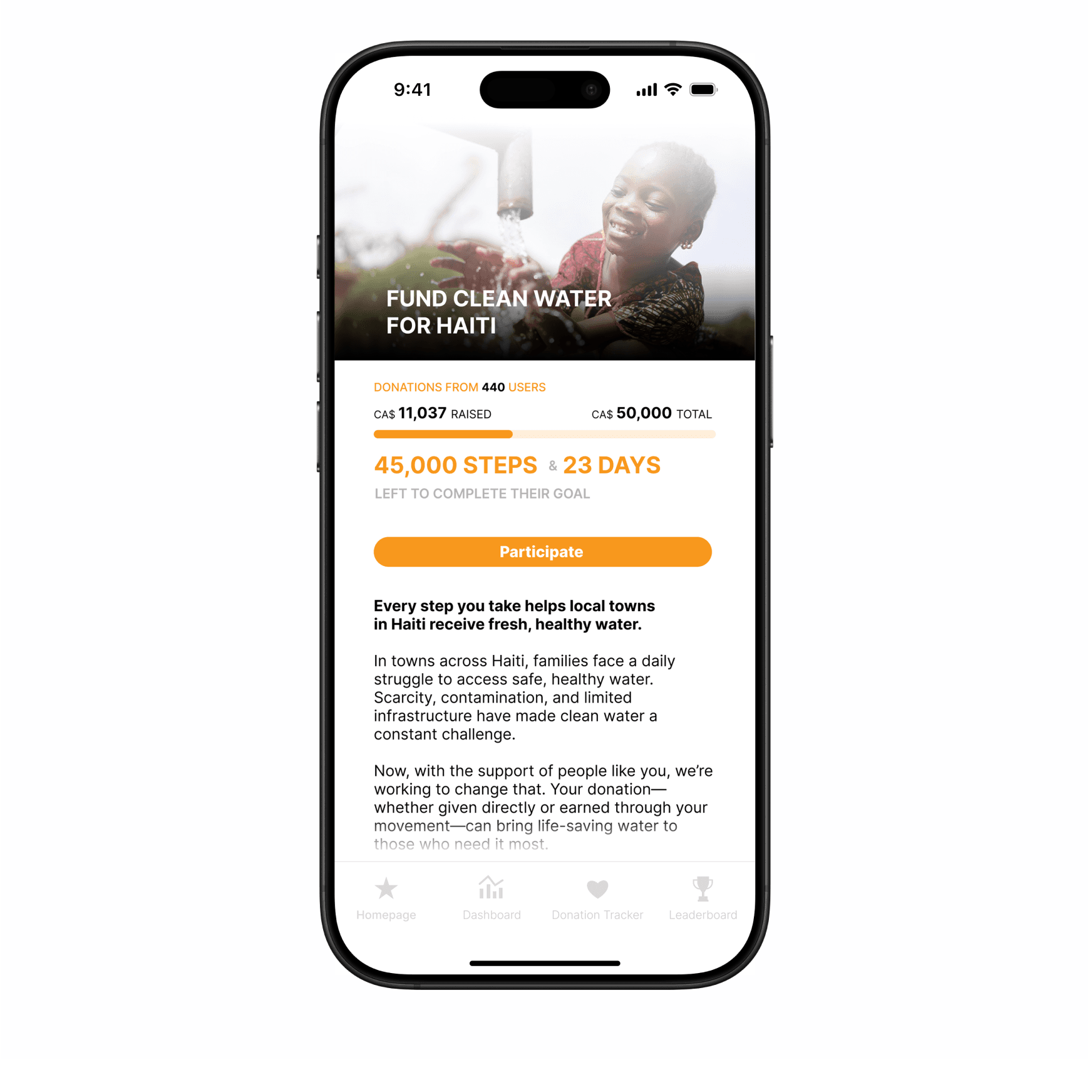
We refined our prototype into a clean, intuitive mobile experience focused on clarity and simplicity. Each screen was designed to reduce friction and guide users through the donation process without feeling overwhelming or transactional.
The core screens include:
Homepage – Introduces the user and their daily progress.
Dashboard – Tracks steps, goals, and weekly movement.
Donation Tracker – Converts progress into measurable donations.
Leaderboard – Builds motivation through rankings and badges.
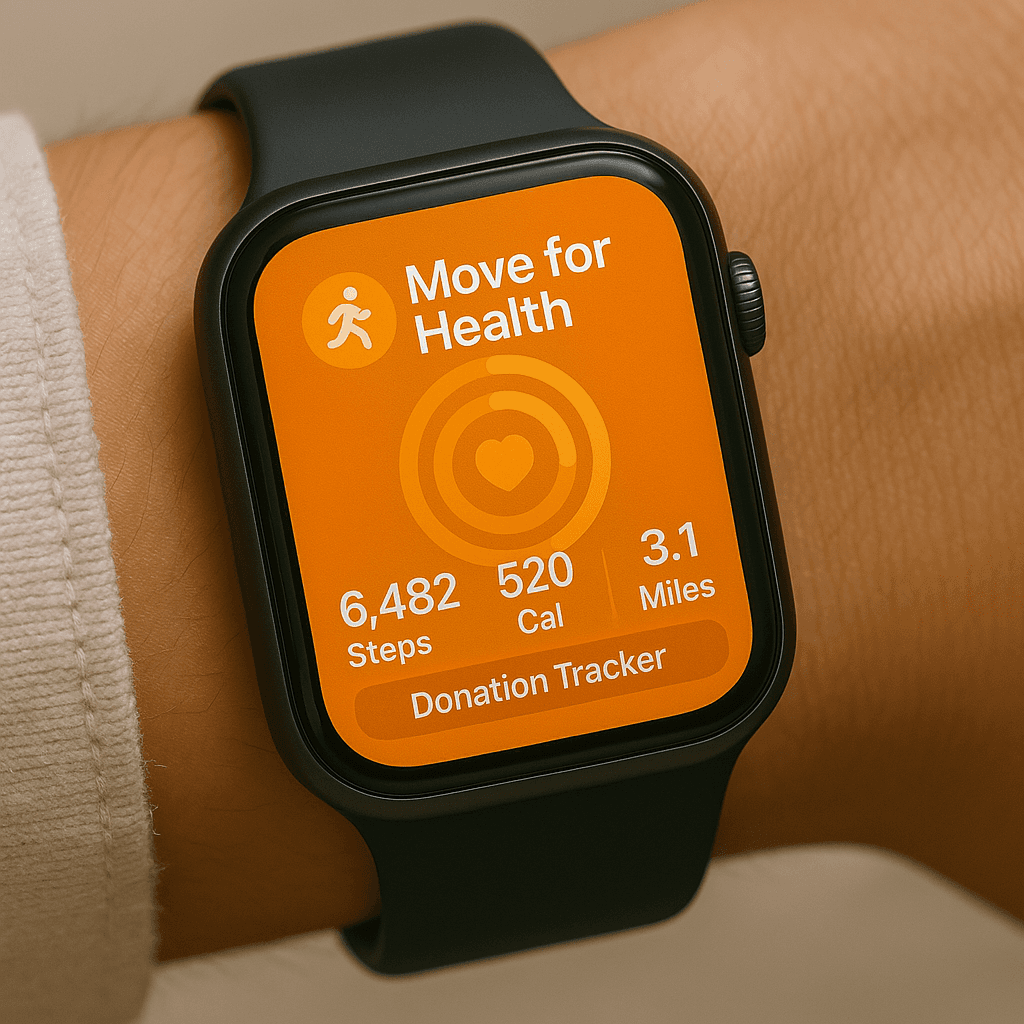
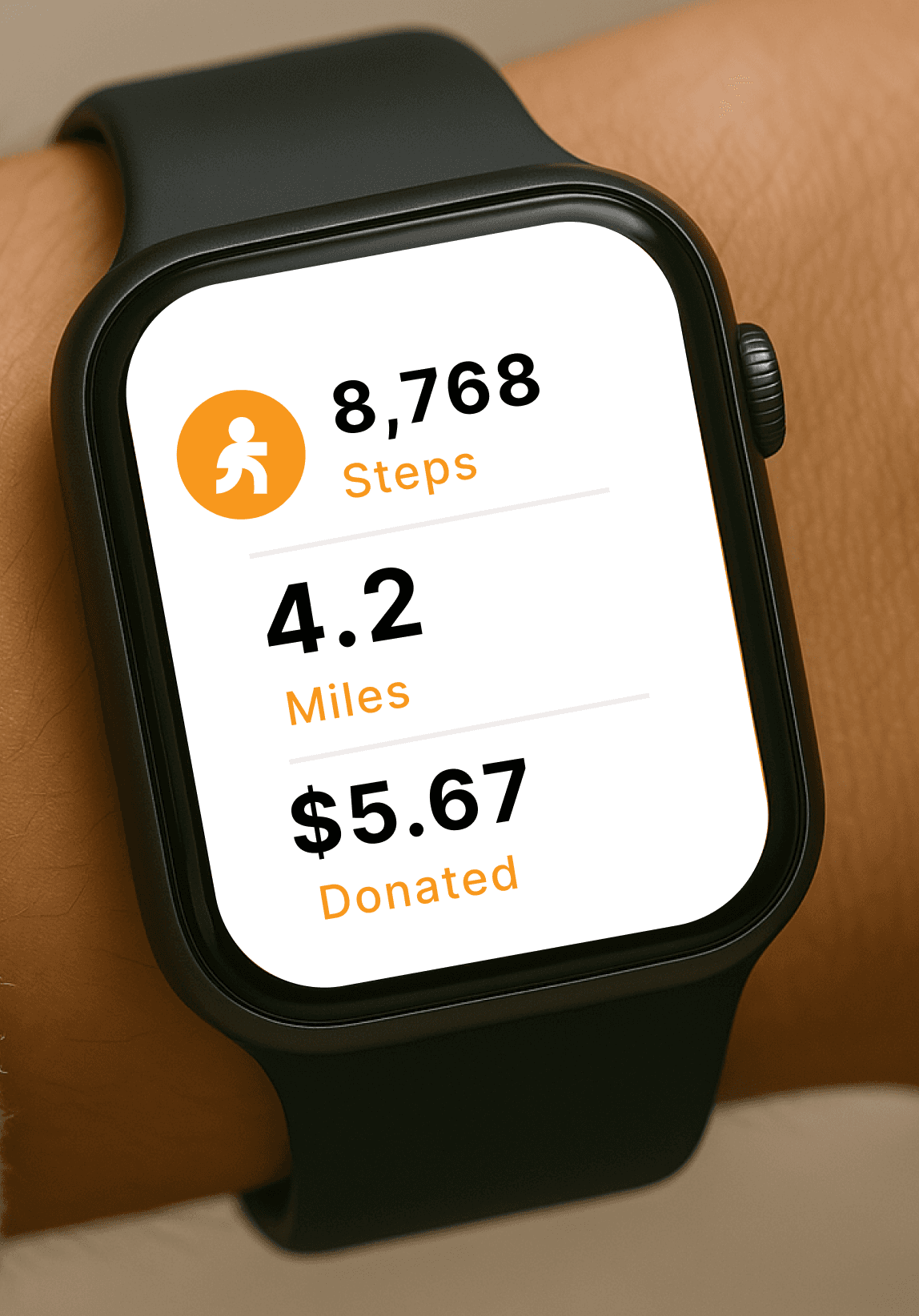
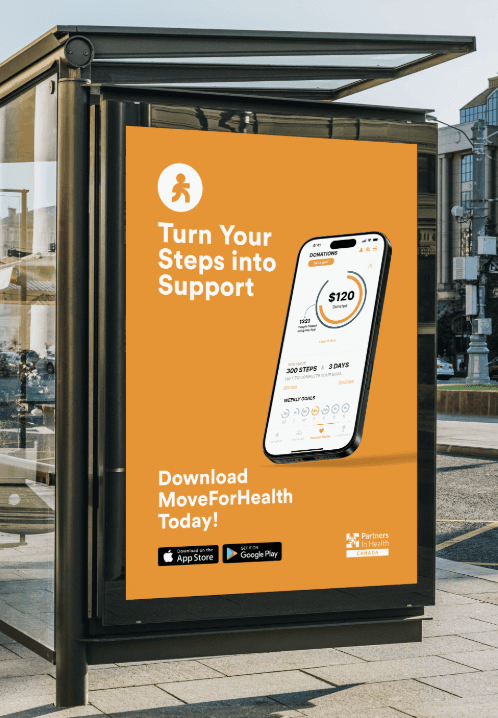
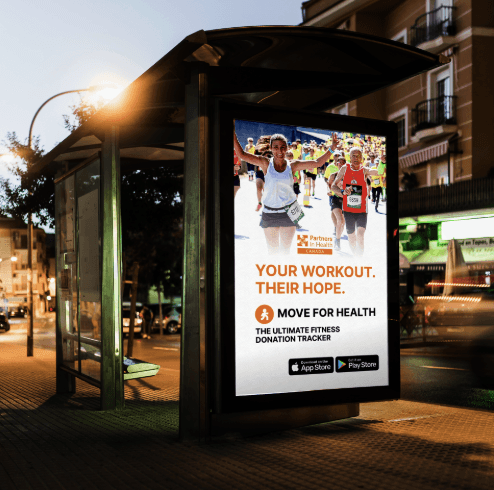
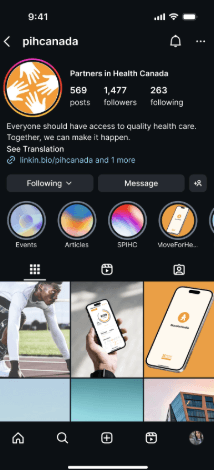
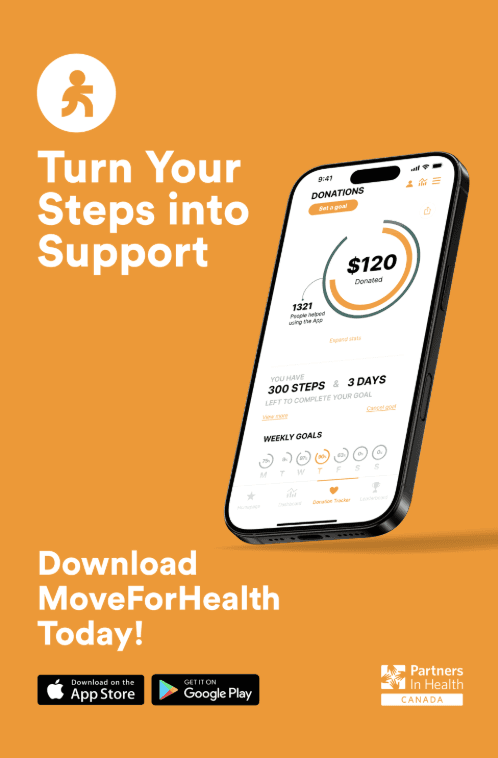
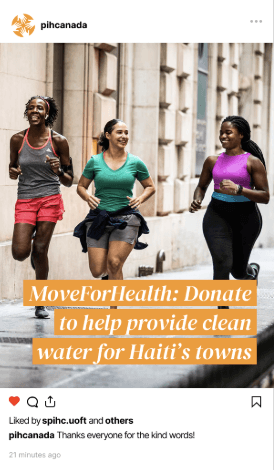
We explored how the concept could extend beyond the app through physical and environmental touch-points. This included Apple Watch integration, outdoor advertising, and branded street placements to show how the experience could live in real-world spaces and drive engagement beyond the screen.
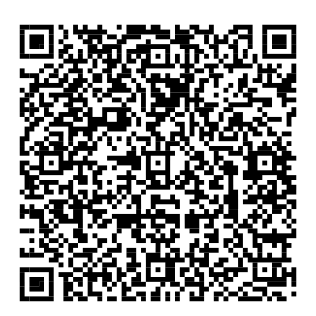
Scan the following QR code to checkout the prototype!
[Mockup Image 1]
Drop your final mockup here
[Mockup Image 2]
Drop your final mockup here
Drop your final mockup here
[Mockup Image 4]
Drop your final mockup here
[Mockup Image 5]
Drop your final mockup here
[Mockup Image 6]
Drop your final mockup here
Credits
Group manager
Bat-Ochir Chinbat
research lead
Celina Soudani
presentation coordinator
M’Kai Mclachlan
visual & design lead
Luisa El Hawat Dallagnol
concept lead
Nathan Jarabe
Client
Partners in Health Canada
All work produced for PIH, 2025. © Partners in Health Canada.